
Watch APT and PBS Shows On-Demand
Editor Picks
Alabama Documentaries

Alabama Blackbelt Blues

Alabama: In the Making
Longleaf Studios
Alabama Public Television Presents
May 11, 2025
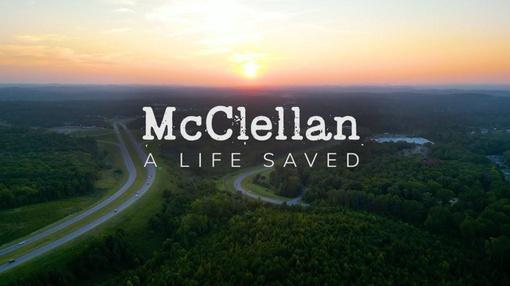
McClellan: A Life Saved
Explore the long and proud history of the military base in Anniston and projects bringing new life there.

Alabama Public Television Presents
November 13, 2022
The Forgotten Creeks
``The Forgotten Creeks`` recalls the history of Alabama’s Creek Indians from Spanish contact in the 1500s to the Indian Removal Act of 1830 to the Poarch Creek Band's modern-day success story.

Alabama Public Television Presents
May 16, 2021
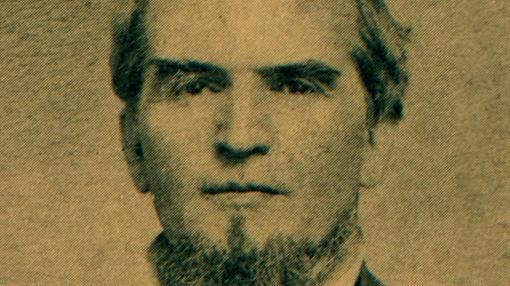
The Fire in Anniston: A Freedom Riders Story
Eyewitness accounts recall the attack on a bus filled with Freedom Riders in Anniston, AL.
Alabama Public Television Presents
January 18, 2023
Building Birmingham: The Sloss Story
Discover how one family changed the face of Birmingham over more than 150 years.

Alabama Public Television Presents
November 25, 2021
Lagarde: Making Natural History
The story of John B. Lagarde and the Anniston Museum of Natural History.

Alabama Public Television Presents
January 30, 2024
Defending Freedom: The Arthur D. Shores Story
Defending Freedom is the story of Birmingham native Arthur D. Shores.

Alabama Public Television Presents
February 2, 2022
Tom Bevill - Servant Leader
The life of the fifteen-term U.S. congressman who represented Alabama from 1967 - 1997.

Alabama Public Television Presents
April 24, 2024
Riding Through History: The Barber Collection
Explore the story of Barber Vintage Motorsports, the largest motorcycle collection in the world.


Follow Us